
Our Location
304 North Cardinal St.
Dorchester Center, MA 02124

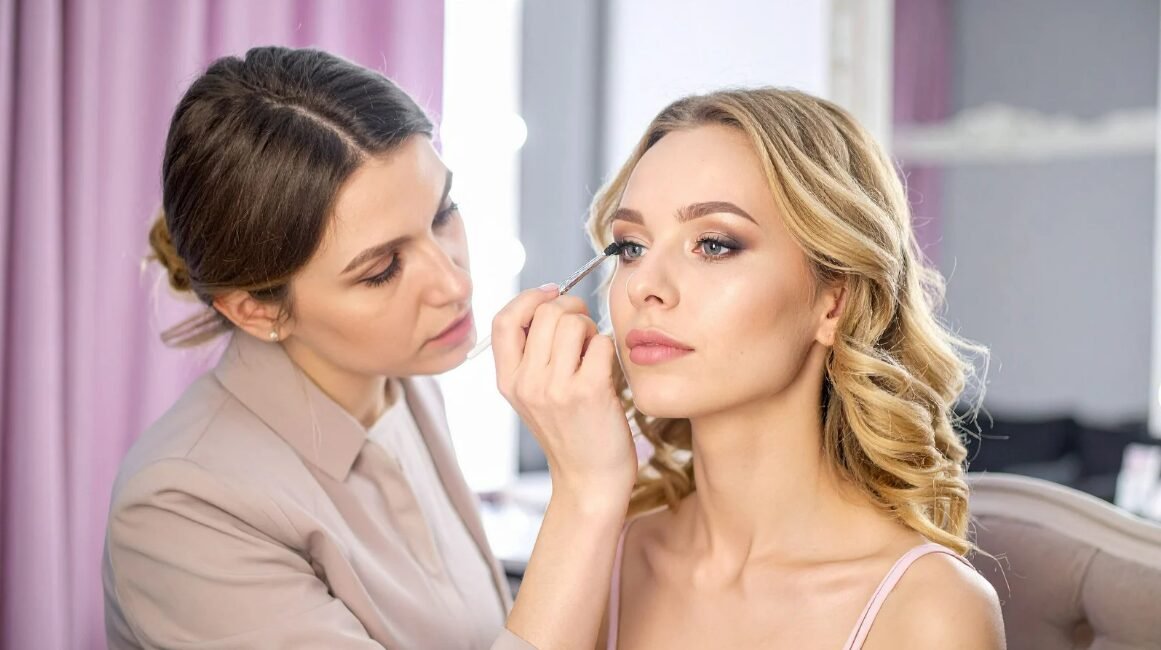
Hello everyone, we are CHIU STYLE. In our The Secret Life of Everyday Things series, we explore the hidden histories behind seemingly ordinary daily objects—stories filled with drama, power, culture, and humanity. Today’s spotlight is on cosmetics.
From ancient Egyptian eyeliner to modern lipsticks, a small piece of makeup carries far more than beauty. It reflects thousands of years of human pursuit of confidence, status, and self-expression.
The history of cosmetics goes far beyond what we might imagine. As early as 4000 BC in Ancient Egypt, both men and women used cosmetics—not only for beauty but also for spiritual protection and social status.
The iconic black eyeliner known as “Kohl” was made by grinding minerals such as galena and malachite, mixed with oils. It not only protected the eyes from harsh desert sunlight but was also believed to ward off evil spirits. Modern research even suggests that the lead compounds in it had mild antibacterial properties, helping prevent eye infections. The famous bold black eyeliner of Cleopatra was not just aesthetic—it symbolized power and divinity.
Egyptians also used red ochre to tint their lips and cheeks. These cosmetics were stored in alabaster containers and accompanied them to banquets, religious rituals, and even the afterlife. Many pharaoh tombs have been found with cosmetic tools, showing that beauty was seen as an eternal pursuit.
At the same time, in Ancient China around 3000 BC, cosmetics became a strict marker of social hierarchy. Nail polish was made using beeswax, gum arabic, and plant dyes, while gold and silver colors were reserved exclusively for royalty. Violating this rule was illegal. Color itself became a form of identity verification, highlighting cosmetics as a symbol of power.
In Ancient Greece and Rome, pale skin represented noble status, as it implied a life free from labor. As a result, people used white lead-based foundation extensively. In 16th-century England, Queen Elizabeth I—scarred by smallpox—popularized “Venetian ceruse,” a lead-based white face powder, creating a pale, mask-like appearance that influenced the entire royal court.
From the 19th to 20th century, cosmetics became increasingly accessible to the public. Brands such as Max Factor developed long-lasting lipsticks for Hollywood, even using “kissing machines” to test durability. What was once exclusive to aristocrats and clergy became a daily tool for self-expression and confidence-building for ordinary people.
However, the history of cosmetics is not only glamorous. While pursuing beauty, the industry has accumulated serious sustainability challenges in three major areas: health, animal welfare, and the environment.
These issues have led modern consumers to ask a crucial question: Should beauty come at the cost of environmental destruction and ethical compromise?
The solution is gradually becoming clearer: full transformation through transparent formulations, ethical production, and circular thinking.
More and more brands are abandoning harmful traditional ingredients in favor of plant-based alternatives, reducing reliance on petroleum-derived substances. They are also significantly cutting plastic use, adopting recyclable, compostable, or refillable packaging. Animal testing is being replaced with advanced in vitro testing and 3D skin models.
In addition, third-party certifications such as Leaping Bunny, ECOCERT, and GOTS ensure traceable sourcing and environmentally responsible production. These changes empower consumers to actively support truly responsible beauty brands rather than passively choosing products.
Consumer awareness is also rising quickly. People are no longer just seeking “clean” or “beautiful,” but a balance of responsibility—products that enhance confidence without harming the planet or other living beings.
This is the core philosophy of CHIU STYLE: plant-based, eco-friendly, and slow living. We believe true beauty should extend from the face into every detail of life.
Just as we consciously choose clean beauty products, our everyday accessories can also reflect these sustainable values. Embracing eco-friendly fashion completes the overall look, turning mindful living into a complete personal statement.
For instance, choosing accessories made from high-quality vegan PU leather allows us to enjoy fashion and durability while reducing the environmental footprint compared to traditional leather. Whether you step out with sharp eyeliner or just a touch of bright lipstick, carrying a vibrant accessory—like our sustainable Ocean Blue and Candy Print Shoulder Handbag—naturally extends that confidence from your face to your full presence.
True styling is no longer just about looking good; it’s about feeling confident in the choices we make for the planet.
This video takes you from Ancient Egypt to modern cosmetics, showing their fascinating evolution. Highly recommended to watch in full!
Subscribe for Weekly Stories: Do you enjoy short and insightful knowledge stories like this? We upload SHORTS every Tuesday and Thursday on our YouTube channel—subscribe and turn on notifications to stay updated with fresh and interesting stories behind everyday objects.
Read Our Blog: Every Tuesday, we publish a new The Secret Life of Everyday Things article on our website. If you enjoyed this piece, feel free to share it with friends or visit our YouTube channel for more videos exploring hidden stories of everyday life.
Let Us Know Your Thoughts: What everyday object would you like to know the secret of next? Leave a comment below—we’ll try our best to feature it in a future article or video!
Thank you for reading. See you next time!
CHIU STYLE – Turning everyday life into stories full of beauty and meaning.
