
Our Location
304 North Cardinal St.
Dorchester Center, MA 02124
At CHIU STYLE, we don’t just tell stories—we uncover the hidden ones.
Our series, The Secret Life of Everyday Things, explores the extraordinary histories behind the most ordinary objects.
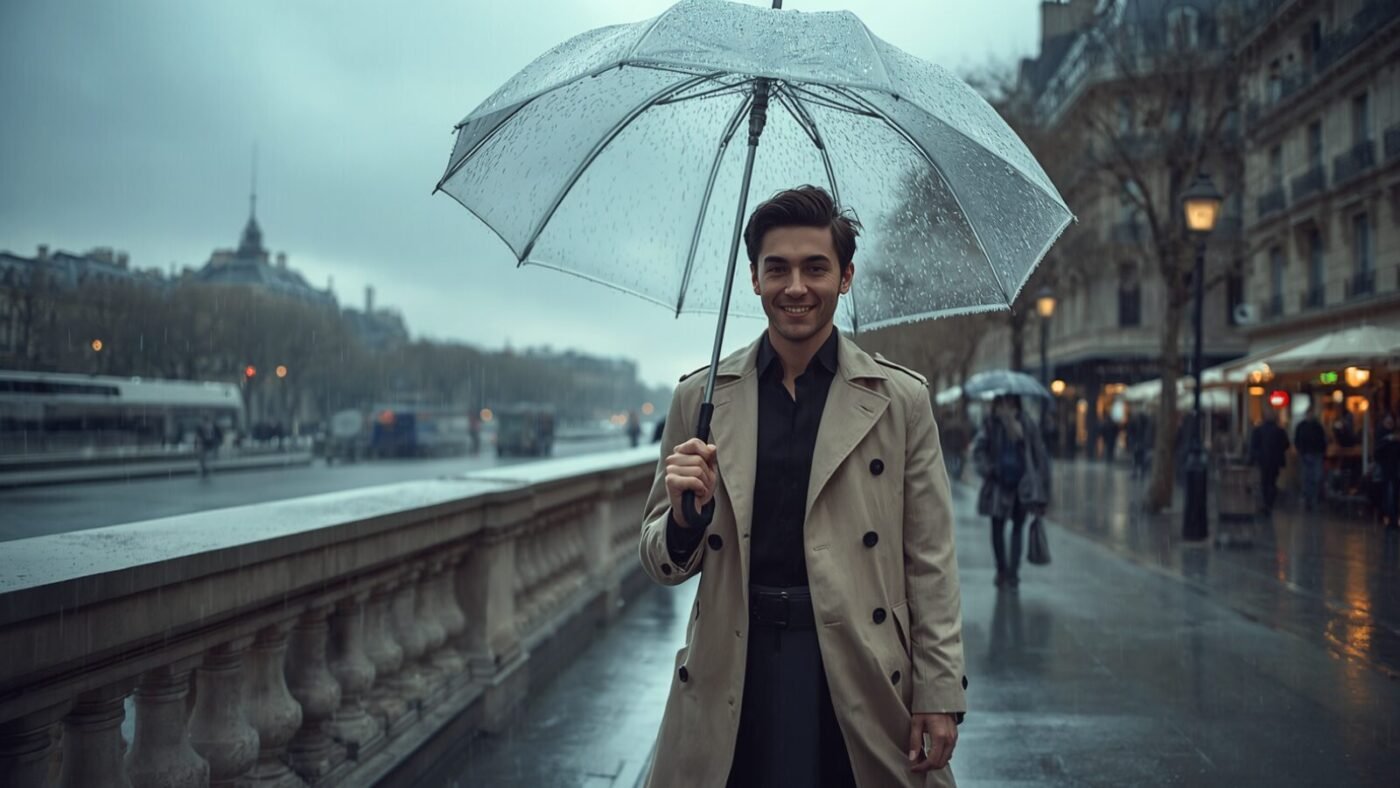
Take the umbrella.
You probably carry one without thinking twice. It’s there when it rains, forgotten when it doesn’t. But what if this simple object once symbolized power, status, and cultural identity?
Most people assume umbrellas were invented for rain.
In reality, they were created to block the sun.
Around 2500 BCE in ancient Egypt, along the Nile, pharaohs and nobles used early forms of parasols. These weren’t lightweight accessories—they were large, elaborate structures made from palm leaves, papyrus, feathers, or even animal skins.
But the most important detail wasn’t the material.
It was who used them.
These parasols weren’t meant to be held by the user.
Servants carried them, holding them high above the heads of rulers.
Picture this:
A pharaoh seated on an ornate throne, shaded by a massive parasol, surrounded by sunlight that never quite touches him.
That shade wasn’t just comfort—it was a message:
“I am not like you.”
Umbrellas, in their earliest form, were not tools. They were symbols of hierarchy and divine authority. Common people didn’t just lack access—they weren’t even allowed to touch them.
While ancient Egypt gave umbrellas symbolic meaning, it was ancient China that transformed them into practical tools.
As early as the Zhou Dynasty, parasols made of silk or leather already existed. But the real breakthrough came later, after advancements in papermaking during the Han Dynasty.
Craftsmen began building umbrellas with bamboo frames, covering them with paper, and coating them with tung oil, a natural waterproofing material.
This simple innovation changed everything.
For the first time, umbrellas became:
This was the birth of the oil-paper umbrella—the world’s first true rain umbrella.
But even with this technological leap, umbrellas still reflected social hierarchy.
Colors and designs signaled status—red for royalty, specific styles for officials—while ordinary people remained excluded.
In other words:
the function evolved, but the inequality remained.
As umbrellas spread across regions, they began to take on new meanings.
In Japan, they evolved into the elegant wagasa. Crafted with fine bamboo ribs and washi paper, these umbrellas became more than practical objects—they turned into works of art.
Lightweight, translucent, and carefully designed, wagasa reflect a deep appreciation for craftsmanship and aesthetics. They are used not only for protection, but also in ceremonies, performances, and traditional settings.
This is what fascinates us at CHIU STYLE:
The same object can carry completely different meanings across cultures.
An umbrella is never just an umbrella—it’s shaped by the people who use it.
That’s the interesting part.
What feels “ordinary” today is often the result of thousands of years of evolution.
From symbols of power to technological innovations to cultural expressions—the umbrella has been continuously redefined.
And that’s exactly what The Secret Life of Everyday Things is all about:
Everyday objects are never truly simple—we just stop noticing their stories.
At CHIU STYLE, we love turning inspiration into something you can actually experience.
That’s why we created a dish using our Thai Sweet & Sour Seasoning—
a bold and flavorful Crispy Thai Sweet & Sour Plant-Based Chicken.
It’s crispy on the outside, juicy on the inside, with layers of tangy, sweet, and slightly spicy flavors that come together in every bite.
Want to recreate it at home? Here’s the full recipe 👇
Serves: 2–3
Plant-Based Chicken
Sauce
Optional Garnish
1️⃣ Prepare the chicken
Pat dry, coat evenly with cornstarch, and pan-fry until golden and crispy.
2️⃣ Make the sauce
Heat all sauce ingredients together, stirring for 2–3 minutes until slightly thickened.
3️⃣ Combine
Toss the crispy pieces in the sauce until evenly coated. Serve immediately.
Next time you open your umbrella, take a second to think about it.
It wasn’t always just a tool for rain.
It was once a symbol of power, a product of innovation, and a reflection of culture.
And chances are, the everyday objects around you are hiding stories just as fascinating.
If you enjoy content like this, stay connected with CHIU STYLE.
We publish new blog posts every Tuesday, and you can also explore more episodes of The Secret Life of Everyday Things on our YouTube channel.
