
Our Location
304 North Cardinal St.
Dorchester Center, MA 02124

We are CHIU STYLE, and in this column, we specialize in The Secret Life of Everyday Things series—those seemingly ordinary everyday objects that often hide fascinating histories, dark sides, and human truths you’ve never imagined.
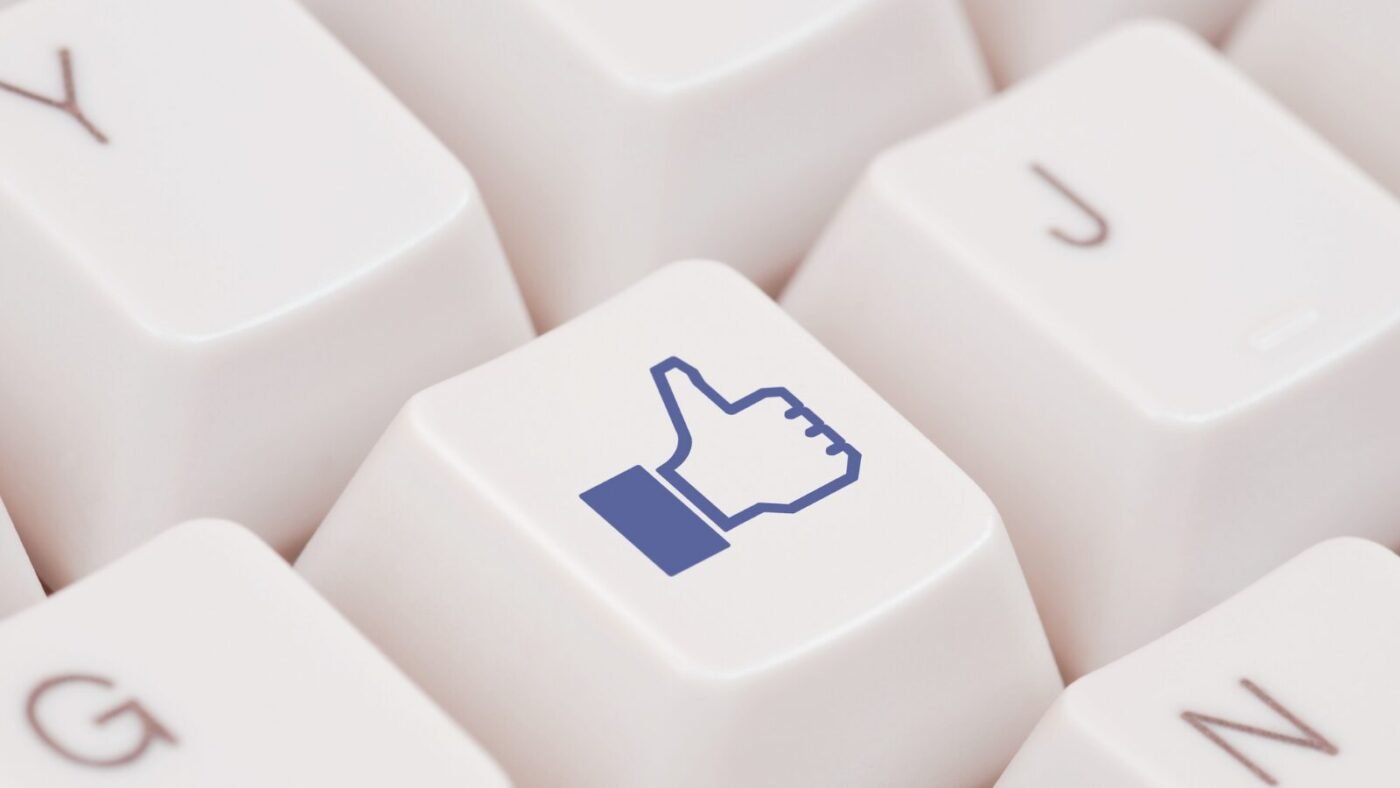
Today, we’re not talking about food or household items, but a digital icon you might tap dozens of times a day: the Facebook Like button. You think it’s just a simple way to express approval? In reality, it’s become one of modern life’s most common digital habits—and possibly the most underrated psychological manipulation tool.
From a Simple Idea: The 2009 Like Button
Rewind to February 2009. Facebook was still young back then. To say “I like this,” people had to type out long strings of text: “This is awesome!” or “Love this!” It was time-consuming and inefficient.
A designer named Leah Pearlman on the team suggested something seemingly ordinary: create a simple button for one-click liking. They even considered naming it the “Awesome” button at first.
Interestingly, even Mark Zuckerberg was initially skeptical. He worried it would make human interactions too superficial, turning real conversations into a numerical scoreboard.
But early tests yielded surprising results. Adding the Like button skyrocketed user engagement. Comments decreased, but post volume exploded as people shared more freely. On February 9, 2009, the Like button officially launched, birthing a simple habit that endures to this day.
It quickly evolved from a minor feature into the platform’s core engine, spreading to Instagram, YouTube, and beyond. What started as a convenience shortcut became the lifeblood of modern social media.
Friendly on the Surface, Dopamine Machine and Tech Conspiracy Beneath
But things are far from as innocent as they seem.
You think you’re just liking posts, but you’re actually falling into a meticulously designed behavioral control system. Every click tells the algorithm what you prefer, enabling hyper-targeted content feeds that keep you glued to the screen longer. It’s also a powerful ad data collector—even off Facebook, it tracks you across sites to build detailed profiles for advertisers.
Worse, the Like button turns social behavior into a public scorecard. Your self-worth gets quantified by numbers; no likes trigger anxiety, comparison, and even FOMO (fear of missing out).
Former Facebook President Sean Parker openly admitted: “This button is designed to give you a little dopamine hit,” creating an addiction loop. By 2026, the World Happiness Report still links heavy social media use to mental health decline, especially among young people in Europe and the US. Meta faces ongoing lawsuits for allegedly engineering addictive products.
Fake like farms and bots mass-produce phony likes, distorting brand marketing and even swaying elections and public opinion. This is the Like button’s dark history—a friendly blue thumbs-up masking a calculated tech conspiracy.
The Flip Side of Tech: Unexpected Positive Impacts
That said, every story has two sides. Without the Like button, early social media might have stayed in the slow, cumbersome commenting era.公益 campaigns, social movements, and small creators’ voices wouldn’t spread so easily. It unexpectedly amplified the marginalized and sped up collective action.
This reminds us: Tech is never purely villain or hero—it’s a mirror of humanity, amplified by clever code.
One Button, Different Fates Worldwide
This tiny button plays out fascinatingly across the globe.
YouTube quietly hid public “dislike” counts in November 2021 to protect creators from “dislike bombing.” You can still tap it, but only creators see the numbers—a change sparking heated transparency debates.
Instagram and Facebook experimented multiple times with hiding like counts to curb youth comparison anxiety. Not every region is the same, though. Political or cultural factors lead some countries to restrict or remove reaction emojis. In heavily censored areas, that same blue thumb can shift from simple affirmation to invisible censorship tool.
This is digital life’s greatest paradox: One button tells wildly different stories across cultures and politics.
Want the highlights first? Here’s the Shorts version we made for this video:
We release new Shorts every Tuesday and Thursday on our YouTube channel—subscribe and hit the bell so you never miss fresh content!
Just as the Like button hooks you with a simple dopamine tap, at CHIU STYLE we believe true joy comes from delicious choices you control. Speaking of that sweet-sour, addictive flavor, how about some real-world balance that’s truly satisfying?
From Digital Addiction to Real-World Flavor Balance—Thai Sweet & Sour Crispy Corn Tacos
This Thai Sweet & Sour Crispy Taco uses our signature Thai Sweet & Sour Seasoning to whip up a tangy mayo sauce, drizzled over golden crispy corn tacos. One bite delivers intense sweet-tart layers, juicy bursts, crisp refreshment, and pure addiction—you won’t stop at one!
This Vegan Crispy Taco is insanely good—the hidden king of plant-based snacks.
🌮 Thai Sweet & Sour Crispy Corn Taco Recipe (Vegan Crispy Taco)
Serves: 2–3 (about 6 crispy tacos)
Ingredients
Crispy Taco Shells
Main Fillings
Suggested Veggies (for balanced texture)
Sweet & Sour Mayo Sauce (Core)
Instructions
This dish blends crispy shells, crunchy-yet-tender tofu, umami mushrooms, fresh veggies, and our Thai Sweet & Sour Seasoning for perfect tangy pop—multi-layered, balanced bliss. Highly recommend for plant-based food lovers!
The Like button’s true genius isn’t just that blue thumb—it’s turning “likes” into quantifiable, trackable, manipulable digital habits that connect us easily yet fuel comparison, amplify kindness or anxiety. This is modern social media’s raw reality: deceptively light, profoundly deep.
Like a mirror, it reflects our craving to be seen and validated, while exposing how platforms turn those desires into endless loops. That’s the heart of our The Secret Life of Everyday Things series: ordinary objects reveal humanity’s deepest secrets. Next time you tap Like, remember—you’re not just approving; you’re playing an invisible design game.
New CHIU STYLE blog posts every Sunday, fresh YouTube Shorts Tuesdays/Thursdays—subscribe to uncover more everyday mysteries! Thanks for reading, see you next time!
