
Our Location
304 North Cardinal St.
Dorchester Center, MA 02124

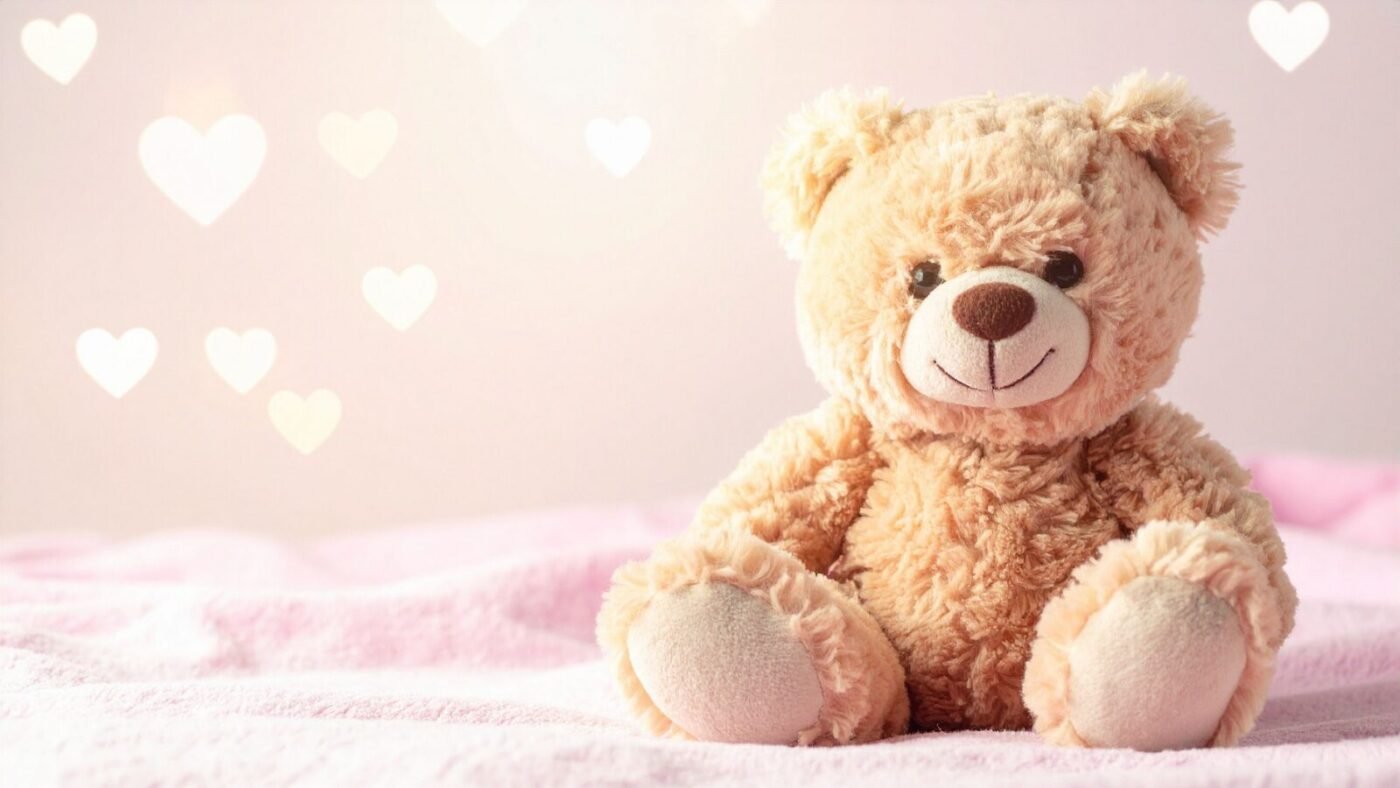
Have you ever had a moment like this?
After a long, exhausting day, you get home, reach for your teddy bear, and just… hold it.
That soft, familiar feeling wraps around you, and somehow, everything slows down.
But here’s something most people never think about—
this gentle, comforting object didn’t come from a gentle story.
In CHIU STYLE’s The Secret Life of Everyday Things series, we explore the hidden histories behind everyday objects. And the teddy bear might be one of the most surprising examples of all—born from a hunting incident, yet transformed into a global symbol of comfort.
In November 1902, U.S. President Theodore Roosevelt went on a hunting trip in Mississippi. Known for his toughness and love of adventure, he spent three days in the wild—without catching a single bear.
It was… awkward.
So his guides decided to “help.”
They tracked down an old Louisiana black bear, exhausted it with hunting dogs, beat it, and eventually tied it to a tree—waiting for Roosevelt to arrive and take the shot.
But Roosevelt refused.
He looked at the bear and declined to shoot, saying that killing an animal in that condition wasn’t sporting.
That one decision would unexpectedly change history.
The story quickly made the news, but what truly made it go viral (by early 1900s standards) was a political cartoon by Clifford Berryman, published in The Washington Post.
It showed Roosevelt turning away from the bear—calm, firm, and slightly disapproving.
The public loved it.
Soon, people started referring to the bear as “Teddy’s Bear”—
“Teddy” being Roosevelt’s nickname.
In Brooklyn, New York, a couple named Morris and Rose Michtom saw the opportunity.
They created a small stuffed bear, displayed it in their shop window, and called it “Teddy’s Bear.”
They even wrote to Roosevelt asking for permission to use his name.
He agreed.
The toy became an instant success.
The Michtoms later founded the Ideal Toy Company, helping turn the teddy bear into a mass-market product.
At the same time, German company Steiff developed its own jointed teddy bears, which became a hit at the 1903 Leipzig Toy Fair. American buyers placed large orders, and the name “Teddy Bear” quickly spread worldwide.
Today, the story is often told as a heartwarming tale:
a president who spared a helpless bear.
But the reality is less comforting.
This wasn’t a cute cub—it was an old, injured animal that had already been beaten and restrained. Roosevelt refused to shoot it himself, but the bear was ultimately killed anyway.
In many ways, the story became a carefully shaped piece of political image-making.
Believe it or not, teddy bears were once controversial.
In 1907, the U.S. experienced what became known as the “Teddy Bear Scare.” As teddy bears grew popular among young girls, some conservative voices began to worry.
They claimed that girls forming emotional attachments to toys might weaken their maternal instincts.
One minister even warned that teddy bears could lead to “race suicide.”
Yes—this was seriously debated at the time.
Like many moral panics, it eventually faded. But it’s a reminder that even the most innocent trends can spark unexpected reactions.
Over time, the meaning of the teddy bear completely transformed.
It’s no longer tied to hunting or politics—it’s about comfort, companionship, and emotional support.
You’ll find teddy bears:
Different cultures have also shaped their own versions of the teddy bear. In the U.S., it still carries Roosevelt’s legacy. In the U.K., it lives on through literary icons like Winnie-the-Pooh and Paddington Bear. Germany treats it as a collectible craft object, while in Japan, it has evolved into a lifelong companion—sometimes even “traveling” to plush toy hotels.
No matter where you are, the core meaning remains the same:
companionship.
If you’d rather see this story come to life, we’ve turned it into a short video:
It walks you through the journey—from a 1902 hunting incident to a global symbol of comfort—in under a minute.
We post new Shorts on our Youtube every Tuesday and Thursday, so if you enjoy stories like this, feel free to subscribe and follow along.
Maybe that’s why we’re drawn to certain objects.
Not because they’re expensive or essential—but because they make us feel something.
At CHIU STYLE, we believe everyday items can do exactly that.
The Floral Green Shoulder Tote Bag is designed with this idea in mind. Its soft green tones and floral pattern create a calm, understated aesthetic, while its practicality—spacious interior, water-resistant material, and organized compartments—makes daily life a little easier.
Whether you’re commuting, running errands, or heading out for the weekend, it’s more than just a bag. It’s a small extension of how you choose to move through your day—calm, intentional, and just a bit more effortless.
Next time you pick up a teddy bear, take a second.
What you’re holding isn’t just a toy—it’s a story.
One that started with a tied-up bear in the woods and became something entirely different.
That transformation is what makes it fascinating.
At CHIU STYLE, we’ll keep uncovering these hidden stories through The Secret Life of Everyday Things—and hopefully, help you see the everyday a little differently.
