

At CHIU STYLE, we tell the story of The Secret Life of Everyday Things.
We love taking those seemingly obvious, taken-for-granted daily choices and asking the question again: “Why?”
Imagine this—
You open Instagram or Pinterest and randomly click on a wedding photo.
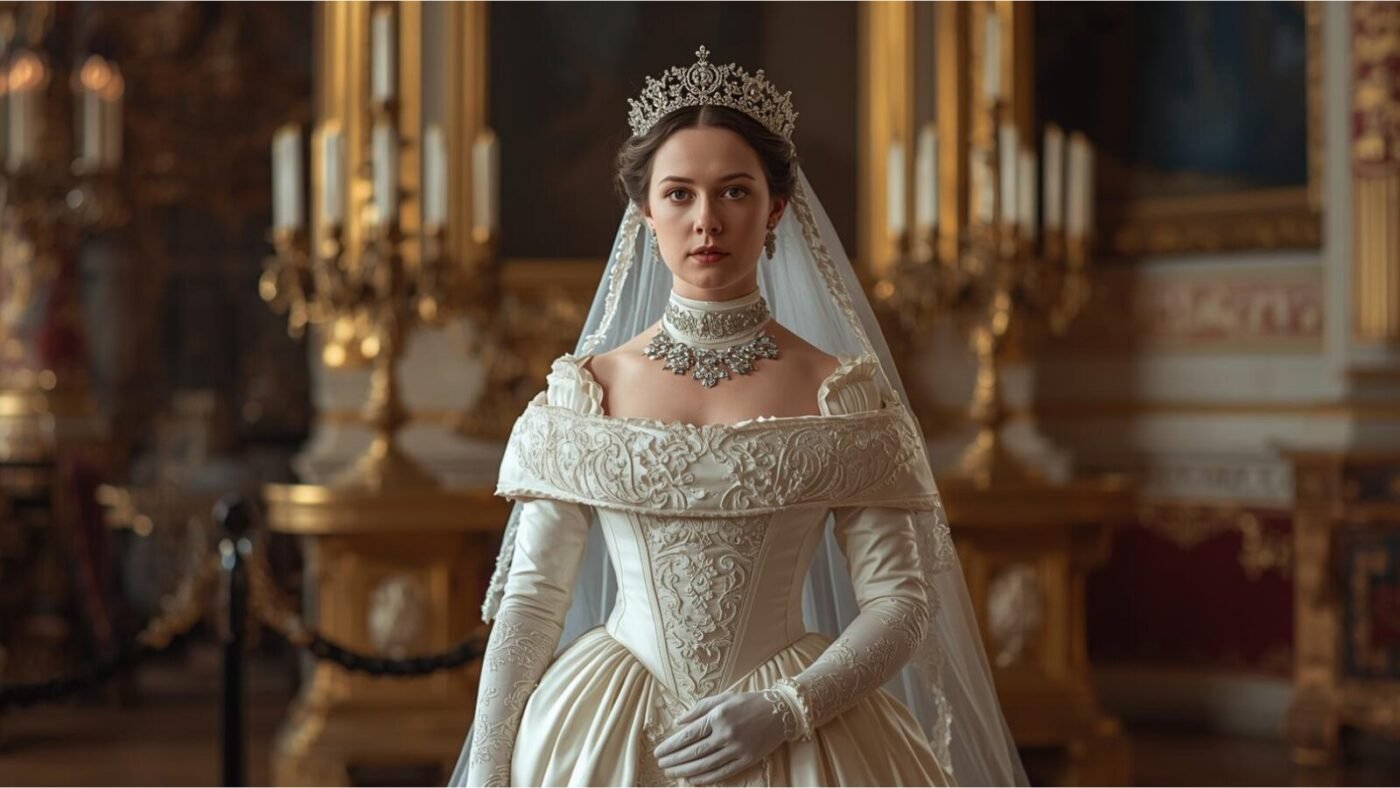
Nine times out of ten, the bride is wearing a white wedding dress.
White.
In everyday life, it’s practically a “stress-test” color. A splash of red wine, a drop of coffee, a smear of ketchup—any of it is enough to cause a minor meltdown.
And yet, on this one day, that high-risk color is elevated to classic status.
What’s interesting is that most people can’t clearly explain why white is the “correct answer.”
They just know this—if a bride doesn’t wear white, the comment section is often livelier than the wedding itself.
That’s exactly where this video begins.
When Color Becomes a Battlefield: Wedding Dress Debates on Social Media
Recently, a TikTok video went viral.
A bride in a voluminous pink gown slowly walked down the aisle to dreamy background music.
The visuals were romantic.
The comment section? Instantly divided.
Some said, “This is straight out of a fairy tale.”
Others criticized it: “This is ruining tradition.”
A few even claimed it was “disrespectful to marriage.”
On Reddit’s wedding forums, similar discussions appear constantly.
Someone asked, “If a bride wears light blue or black, should guests be told not to wear the same color to avoid stealing the spotlight?”
The replies were blunt.
Some insisted, “The bride should wear whatever she wants.”
Others complained that themed weddings create pressure for guests—color rules, dress codes, even whether wearing black is taboo or trendy.
A wedding suddenly turns into a large-scale social experiment about color, etiquette, tradition, and personal style.
There’s another story—
One bride-to-be chose a deep green gown for her outdoor forest wedding. It looked like a cinematic scene.
But her future mother-in-law firmly believed dark colors were unlucky and worried it would bring misfortune.
Similarly, some brides wear black gowns that look like high-fashion editorial shoots.
Some viewers are stunned—in a good way.
Others say that years later, the photos still feel like a strange blend of ceremony and party.
Why can a single color trigger such intense emotions?
Because color is never just color.
Behind it lies history, culture, class, belief, and our imagination of what is “right.”
How White Became the Rule: From Royalty to Social Default
If we look back in history, we’ll find that for a long time, brides didn’t prepare a dress meant to be worn only once.
Most simply wore their best dress—red, blue, gold, even dark colors.
The priority was looking respectable—and being able to wear it again.
That changed in 1840, when Queen Victoria chose to wear a white silk gown at her wedding.
At the time, white was not the standard color for royal weddings.
But the combination of royalty and media was powerful. Newspapers widely covered the event, describing her gown as “elegant,” “pure,” and “noble.”
Gradually, white became associated with romance.
More importantly, in an era before modern laundry technology, wearing a dress that was easily stained, difficult to clean, and practically single-use was itself a symbol of wealth and status.
It silently declared:
“I don’t need to think about practicality.”
White didn’t only represent purity.
It once functioned as a visible marker of class.
From Symbol to “Safe Option”
Over time, magazines, films, and wedding brands continuously reinforced the link between white and romance.
White church decorations.
White wedding photo backdrops.
White cake frosting.
The entire visual system repeats the same message:
Wedding = White.
Eventually, people stopped asking, “Why white?”
It simply became the default.
Choosing white is usually the least questioned option.
Choosing another color requires a bit of psychological preparation.
That pressure of the “default setting” is one of the most subtle—and contradictory—aspects of modern wedding culture.
Small Rituals Can Create Memories, Too
When we talk about weddings and rituals, we don’t have to wait for major life events.
Small rituals in everyday life can become meaningful memories.
For example—
Cooking something thoughtfully just for yourself.
On a weekend afternoon, slowly stirring batter in the kitchen. Listening to the gentle sizzle in the pan. Watching the edges of a pancake turn golden and crisp.
That, too, is a form of celebration.
In the video, we mention this:
A vegan, five-pungent-free Korean kimchi-style seasoning powder.
It lets you create layered, tangy-spicy Korean-style pancakes without preparing actual kimchi.
Crisp on the outside, soft inside, with a gentle fermented warmth beneath the spice.
Paired with a cup of hot tea, it becomes a small ritual of your own.
🥬 Vegan & Five-Pungent-Free | Korean-Style Kimchi Pancake
🍳 Ingredients (Serves 2–3)
Batter
- 1 cup all-purpose flour (about 120g)
- 2 tbsp cornstarch
- 1 cup cold water (about 240ml)
- 1.5–2 tbsp Kimchi-flavoured seasoning
- A pinch of white pepper
- A small pinch of sugar
Vegetables
- 1 cup shredded cabbage
- 1/4 cup shredded carrot
- 1/2 cup enoki mushrooms or shredded king oyster mushrooms
- Julienned bok choy stems
- (Optional) 1/3 block soft tofu, pressed and crumbled
🥣 Instructions
1️⃣ Make the batter
Mix flour, cornstarch, and seasoning. Gradually add cold water while stirring.
The ideal consistency should be pourable but not runny—it should flow slowly off a spoon.
Let rest for 10 minutes to allow the flour to hydrate.
2️⃣ Add the vegetables
Fold vegetables into the batter.
Key tip: There should be more vegetables than batter for that layered Korean pancake texture.
3️⃣ Pan-fry
Heat 2–3 tablespoons of oil in a flat pan over medium-high heat.
Pour in the batter and press into a thin pancake.
Cook about 3–4 minutes per side until golden brown.
Finish with 30 seconds on high heat to crisp the exterior.
🥢 Dipping Sauce (Five-Pungent-Free)
- 2 tbsp soy sauce
- 1 tbsp rice vinegar
- 1 tsp sugar
- A few drops sesame oil
- Chili powder (optional)
Simple—but deeply Korean in flavor.
🎥 Watch the Video
Choosing Beyond Color
Next time you scroll past a wedding photo, pause for a moment.
That white gown may not just be fabric. It carries history, media influence, and social rules. And brides who choose pink, black, red, or green may not be rebelling.
They might simply be asking a deeper question: Is this wedding about meeting expectations—
or being true to myself? If you enjoy unpacking the hidden stories behind everyday choices,
we publish new articles every Wednesday and Friday.
You’re also welcome to visit our YouTube channel for more videos—
Let’s continue exploring the choices that seem ordinary,
but are anything but.