
Our Location
304 North Cardinal St.
Dorchester Center, MA 02124

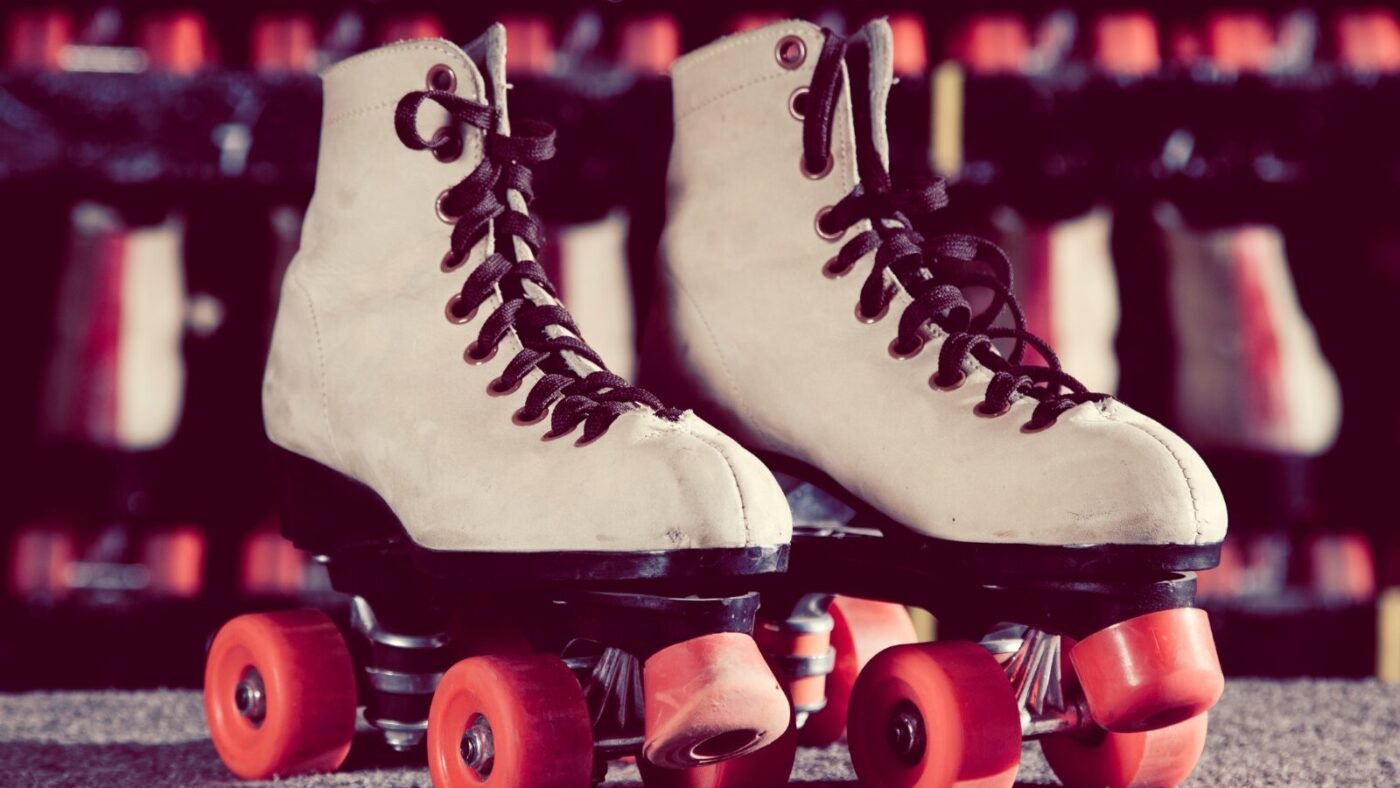
Are the things you wear and use every day really just what they seem?
At CHIU STYLE, we’ve always been interested in one thing—uncovering the hidden stories behind ordinary objects.
We call it:
The Secret Life of Everyday Things
Because even the most familiar items often carry histories you’ve never imagined.
Today, we’re looking at something that appears graceful—but has a surprisingly unexpected past: ice skates.
When you think of ice skates, you might picture figure skaters gliding effortlessly across the ice—light, precise, almost perfect.
But the truth is, ice skates began as something far from elegant.
Around 5,000 years ago in Northern Europe, people weren’t skating for sport or performance—they were skating to survive.
Early skates were made from animal bones, typically horse or deer, tied to the feet with leather straps.
They allowed people to move across frozen lakes more efficiently.
This wasn’t art.
It was practicality.
In the 13th century, the Dutch introduced a simple but transformative innovation: metal blades attached to wooden platforms.
This meant people could glide without using poles to push themselves forward.
For the first time, skating became more than survival—it became a skill.
In the 17th century, King Charles II brought skating culture back to England after his exile in the Netherlands.
Soon, skating became popular among the upper classes in London.
It wasn’t just an activity—it became a display of control, discipline, and elegance.
Staying upright on unstable blades?
That alone was a statement.
In the 19th century, American dancer Jackson Haines introduced music and movement into skating.
His style was initially criticised for being too expressive and unconventional.
But in Europe—especially Vienna—it was embraced.
By combining rhythm, flow, and performance, he transformed skating into an art form.
Modern figure skating, as we know it today, stems from that shift.
Today, skating is evolving again.
A new generation is bringing hip-hop, rhythm, and street culture onto the ice.
It’s still niche—but it challenges one key idea:
There’s no single way to define style.
That idea—redefining what something can be—doesn’t only belong to sport.
It applies to the objects we use every day.
We started asking:
Can an everyday handbag be both practical and expressive?
Can it adapt to different moments in your life?
That’s where this design comes in—
👉 CHIU STYLE Black Print Shoulder Handbag
Designed as a versatile everyday shoulder bag, it balances style with functionality.
Crafted from high-quality PU leather, it offers durability without compromising on aesthetics.
Whether you’re commuting, travelling, studying, or simply heading out,
it fits naturally into your routine.
Just like ice skates evolved from function to expression—
a handbag can be more than just practical. It can reflect how you move through life.
Looking for a different colour or mood?
CHIU STYLE Ocean Blue and Candy Print Shoulder Handbag
From bone tools to performance art.
There’s Always Another Side to Everyday Things
From bone tools to performance art.
From function to self-expression.
We believe everyday objects are never just one thing.
That’s the story CHIU STYLE continues to explore.
The Secret Life of Everyday Things
If you enjoy stories that connect design, culture, and everyday life,
you can find more of our content on YouTube, where we share new stories regularly.
