
Our Location
304 North Cardinal St.
Dorchester Center, MA 02124

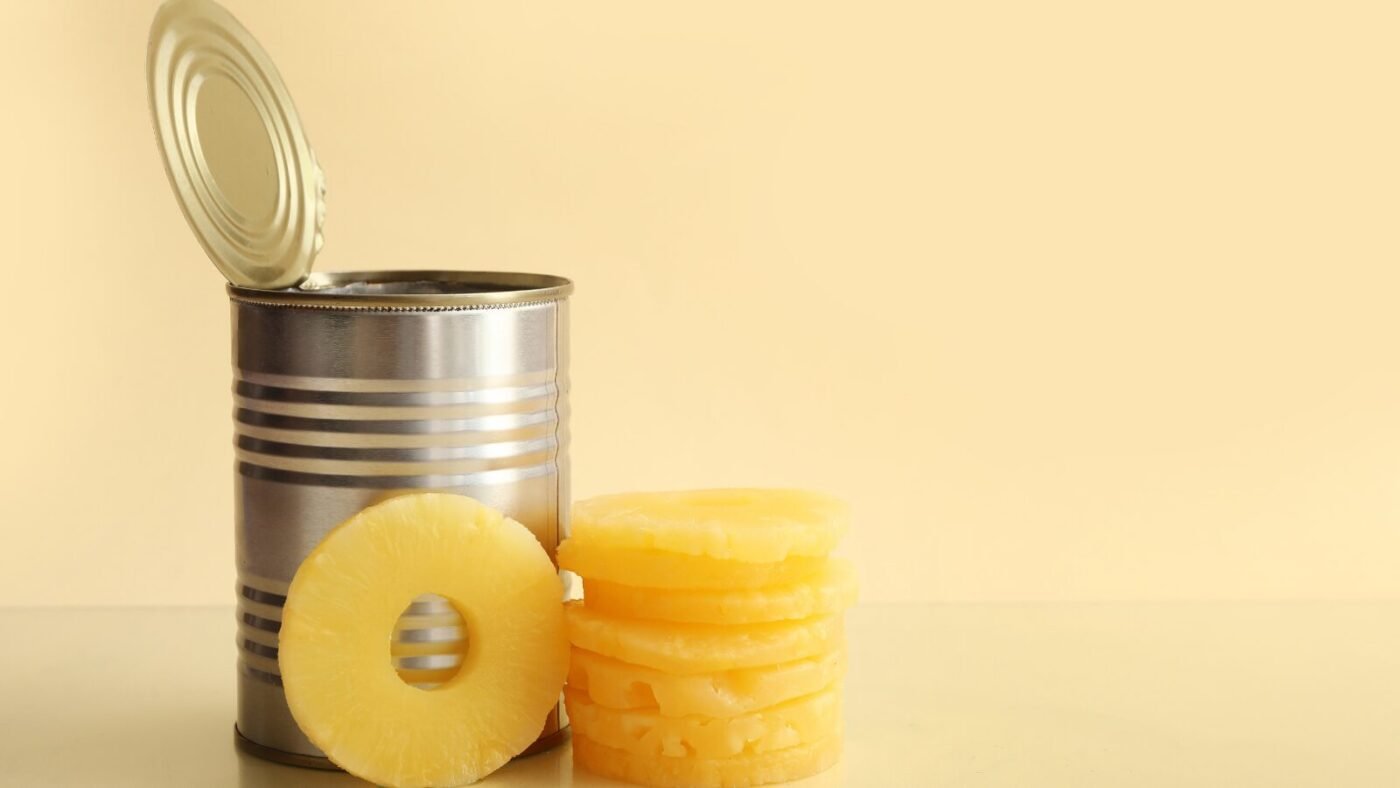
At CHIU STYLE, we love telling stories in our series The Secret Life of Everyday Things — the fascinating tales hidden behind seemingly ordinary objects in our daily lives. This time, we’re turning our attention to the most unassuming item in your kitchen cupboard: the humble tin can. Who would have thought that this convenient staple we casually grab to solve dinner dilemmas was once a military secret that helped Napoleon conquer Europe? It saved countless soldiers’ lives, yet it also poisoned the very men it was meant to protect. Today, let’s uncover the dramatic journey of the tin can from the battlefield to the dinner table.
The story begins in the late 18th century. The ambitious French Emperor Napoleon Bonaparte was waging wars across Europe, but he quickly discovered a harsh truth: an army marches on its stomach. During long campaigns, salted meat spoiled easily, fresh supplies were hard to maintain, and hungry soldiers quickly lost their fighting strength.
In 1795, the French government offered a huge prize — 12,000 francs (equivalent to over $300,000 today) — to anyone who could invent a reliable way to preserve food. A French confectioner and brewer named Nicolas Appert took up the challenge. After more than ten years of experimentation, he finally cracked it in 1809: pack food into glass jars, seal them tightly with cork and wax, then boil the entire jar. The food stayed edible for months, even years!
Napoleon’s navy tested it and was thrilled. Appert claimed the prize and earned the title “Father of Canning.” Interestingly, Appert had no idea why his method worked — germ theory wouldn’t be discovered by Louis Pasteur for decades. He simply observed through trial and error that keeping out air and applying heat helped food last longer.
Glass jars worked well but were heavy and fragile, making them impractical for the battlefield. The idea soon crossed the English Channel to Britain. In 1810, British merchant Peter Durand took out a patent for preserving food in tin-coated iron cans — the true birth of the modern “tin can.” By 1813, the British Royal Navy was using them extensively, and the first commercial canning factory was established in Britain.
This invention completely revolutionized military logistics. Armies could now carry real meat, vegetables, and fruit instead of relying on unappetizing dry rations. Long expeditions, colonial campaigns, and even polar explorations suddenly became far more feasible. Who would have guessed that a small sealed tin could quietly help redraw the map of Europe and give Napoleon’s conquest dreams a more practical backbone?
However, the story of the tin can isn’t all bright. Early cans were incredibly sturdy, but they came with serious headaches. There was still no proper can opener, so soldiers had to hack them open with bayonets, smash them against rocks, or even shoot them. The image of hungry troops fighting their own dinner while dodging bullets sounds like dark comedy now, but it was genuinely dangerous back then.
Even worse, manufacturing techniques were still immature. Poor sealing sometimes allowed botulism to develop, leading to fatal poisoning. In the early 20th century, several deaths linked to contaminated canned olives in America caused nationwide panic and sped up the creation of stricter food safety laws.
To this day, the infamous “Embalmed Beef Scandal” is still discussed online. During the Spanish-American War, soldiers complained that their canned meat smelled like embalming fluid. Many became violently ill with dysentery and worse after eating it. While some accounts may have been exaggerated, these stories highlight how wartime contractors sometimes cut corners under pressure, leaving soldiers to suffer the consequences. Similar controversies continue to appear in historical records and modern forums, reminding us that even life-saving inventions can become dangerous due to human error.
Fortunately, the tin can didn’t remain stuck in its military past. During World War II, it fed millions of Allied soldiers, becoming a vital lifeline when fresh supplies couldn’t reach the front lines. In peacetime, canned food sparked a true dietary revolution — seasonal harvests could now be enjoyed year-round, making balanced nutrition accessible to ordinary families.
Today, people are reinterpreting this old technology in even more creative ways. The military legacy is being transformed into a sustainable lifestyle: using pressure-sealing to preserve vibrant, plant-based ferments and preserves instead of heavy salted meats. This turns the old tool of war into a warm, eco-friendly ritual that celebrates seasonal abundance and the power of plants.
Interestingly, the same technology has taken on very different flavors across cultures. In Britain, baked beans are practically a national staple — many people grew up eating them with toast or as part of a classic full English breakfast, evoking a real sense of home.
In the United States, Spam became the protein soldiers knew best during WWII. After the war, it gained cult status in Hawaii, where locals turned it into Spam Musubi (rice balls), a beloved snack and picnic essential. Korea has its famous Budae Jjigae (army stew), mixing Spam, sausages, kimchi, and instant noodles into a comforting hot pot. In the Philippines, Hong Kong, and Guam, people have developed their own ways of frying Spam and pairing it with rice or other dishes.
Canned fish is also popular worldwide: Mediterranean countries love using tinned sardines in salads, while Northern Europeans enjoy simple mixes of canned salmon or mackerel as a quick healthy meal. From British baked beans to creative Asian fusions, the tin can — despite its military origins — has become a versatile helper in kitchens around the globe.
Here is one of the Shorts that takes you through the complete story of canned food from Napoleon’s battlefields to modern kitchens:
We also release fun Shorts every Tuesday, Thursday, and Saturday on our YouTube channel. Feel free to subscribe and turn on notifications so you don’t miss any of our explorations into the secret lives of everyday things.
For the full deep-dive stories, make sure to check out our blog and Medium articles, where we explore each topic in more detail.
Coming from the preservation revolution of canned food, we’d also like to share a modern way to combine flavor and creativity in everyday baking. Why not try our Caramelized Orange Black Tea? This blend offers rich caramel notes and delicate orange aroma, making it especially wonderful for adding depth to baked treats. Here’s how to use it to make Caramel Orange Black Tea Croissants.
🥐 Caramel Orange Black Tea Croissant
🍊 Highlights
🧾 Ingredients (makes about 8 croissants)
🥐 Basic Croissant Dough (or use store-bought frozen puff pastry)
🧈 Butter Block for Lamination
☕ Caramelized Orange Black Tea Infusion (the star flavor)
🍊 Croissant Glaze
🍮 Filling (recommended)
👩🍳 Instructions
🍊 Key Flavor Tips with Caramelized Orange Black Tea
Using Caramelized Orange Black Tea adds beautiful layers of citrusy caramel fragrance to the croissants. Every bite carries a warm tea note — perfect for weekend brunch or as a thoughtful gift!
The tin can started as a military secret in Napoleon’s era, transformed global eating habits, and left behind a few sobering lessons along the way. It reminds us that even the most ordinary objects often travel long and winding roads — turning from battlefield necessities into warm heroes that help modern people celebrate seasons and plant-based eating.
Every Sunday, CHIU STYLE publishes a new blog post, bringing you more stories from The Secret Life of Everyday Things. You’re also warmly invited to our YouTube channel to watch the full videos and enjoy new Shorts every Tuesday, Thursday, and Saturday as we continue uncovering the unexpected secrets in our daily lives.
What dish do you most often associate with canned food? Or have you heard any other interesting canned food facts? Feel free to leave a comment below and let us know!
